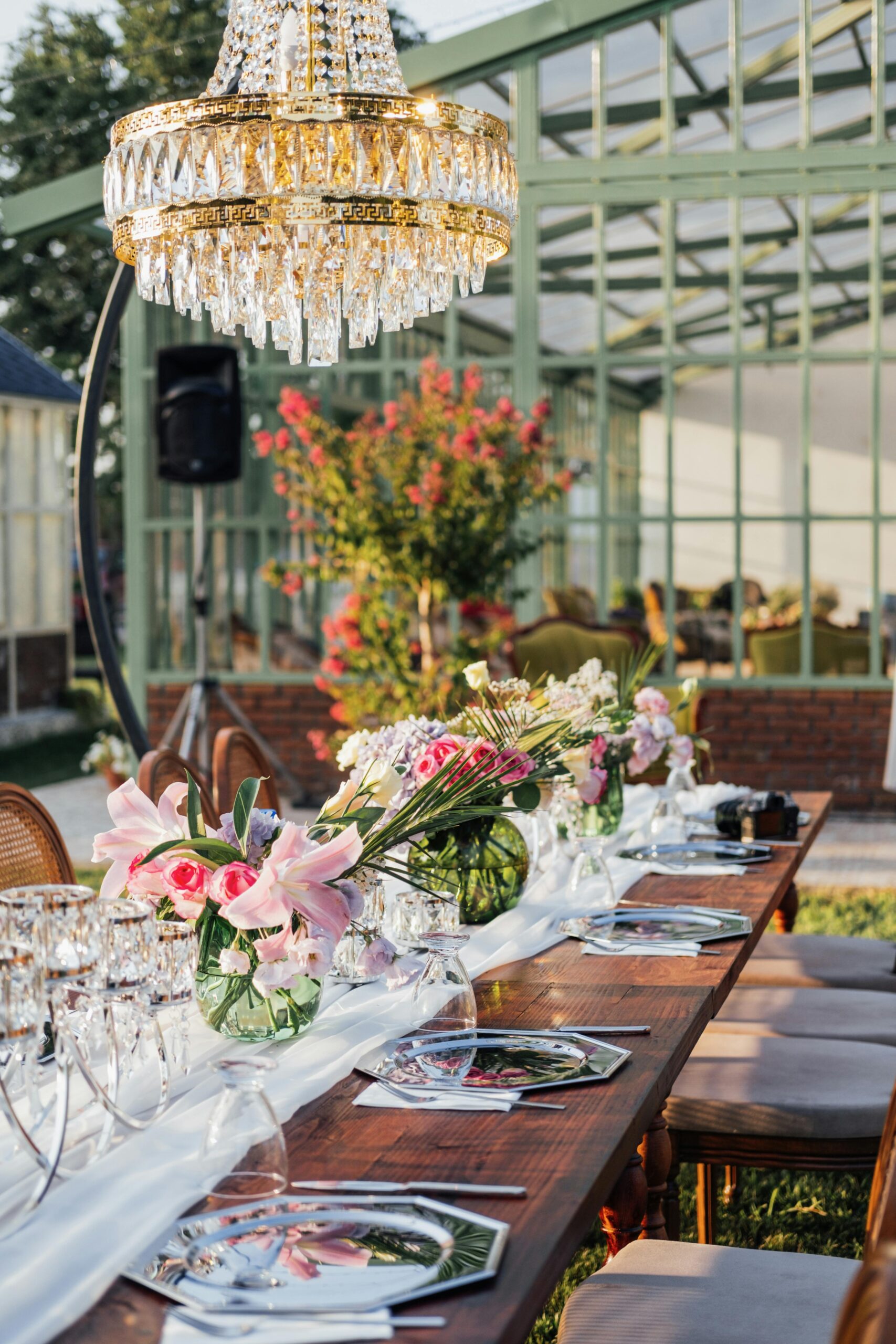
Wedding Planning Timeline: What to Do First and What Can Wait
Wedding Planning Timeline What to Do First and What Can Wait is a common concern, but it deserves a practical answer rather than a perfect-sounding rule. People bring different schedules, needs and histories to this situation. The best next step is one you can explain clearly, try safely and change if it does not help. This guide focuses on choices you can make in daily life, with examples that leave room for your own circumstances.
Start by naming the problem in one sentence. Notice what is in your control and what needs another person’s agreement. A plan built around honest conversations and manageable actions is often easier to keep than a dramatic promise. Read the examples below, adapt them to your setting and skip any step that would put your safety at risk.
Start with the type of celebration

Before booking anything, talk about the day you both want. A small courthouse event and a large multi-day gathering need different plans. Decide the broad size, location and style. Ask which traditions matter to each family, while keeping the couple’s consent at the center.
Try this in real life
Write one clear sentence about the result you want. Choose a quiet time to discuss it, and make one request that can be answered without guessing. If the other person disagrees, ask which part feels hard and look for a smaller change.
Set a realistic money limit
Know what you can spend before visiting venues or hiring suppliers. Include tax, tips where applicable, travel, clothes and a backup fund. A beautiful offer can become costly once extras are added. Refer to a written budget at every major decision.
Try this in real life
Take a moment to compare what you expect with what happens on an ordinary weekday. Note who is affected, what resources are available and which part feels most urgent. Start with a change that you can maintain even during a busy week.
Draft the guest list early

You do not need final responses on day one, but you need a rough head count. Guest count affects venue choices, food, tables and transport. Make an initial list together. Discuss children, plus-ones and family expectations before the invitation stage.
Try this in real life
Imagine that a friend described the same situation to you. What would you want them to know before deciding? Give yourself that same care. A small pause can prevent an emotional moment from becoming a lasting promise or conflict.
Check dates and venue availability

Consider the season, important guests, weather and travel. Ask venues about total capacity, accessibility, indoor backup plans and what is included. Do not sign based on pretty photographs alone. Visit if possible and obtain the full terms in writing.
Try this in real life
Put your choice into plain words, including when you will review it. Tell the people who need to know and avoid inviting a large audience to settle a private matter. Judge the result by whether daily life gets clearer and safer.
Book high-demand essentials
Photographers, caterers and other major suppliers may have limited dates. Decide what you truly need before signing multiple contracts. Check cancellation and change terms. Keep a shared record of payments and the services that each booking includes.
Try this in real life
If your first approach fails, check whether the goal was too broad or the timing was wrong. Keep the useful part and change one variable. You do not need to prove that an old plan was right in order to try a better one.
Handle ceremony requirements
Marriage registration, identity documents and ceremony rules vary by country, region and faith. Consult the relevant local authority or officiant instead of assuming one checklist fits everyone. Give yourself time to gather required records and confirm deadlines.
Try this in real life
Write one clear sentence about the result you want. Choose a quiet time to discuss it, and make one request that can be answered without guessing. If the other person disagrees, ask which part feels hard and look for a smaller change.
Send invitations with enough notice
Allow more time for people who must travel or arrange childcare. Share the place, schedule, RSVP method and accessibility details. Avoid changing key details without telling guests directly. If the plan has multiple events, show which guests are invited to each.
Try this in real life
Take a moment to compare what you expect with what happens on an ordinary weekday. Note who is affected, what resources are available and which part feels most urgent. Start with a change that you can maintain even during a busy week.
Plan the guest experience

Consider clear directions, shade or heating, places to sit, water, restroom access and dietary requests. These practical points often matter more than elaborate decorations. A guest with mobility needs should not have to request basic access at the last minute.
Try this in real life
Imagine that a friend described the same situation to you. What would you want them to know before deciding? Give yourself that same care. A small pause can prevent an emotional moment from becoming a lasting promise or conflict.
Write a simple day-of schedule
Plan when vendors arrive, photos happen, meals begin and the venue closes. Assign one trusted contact to answer supplier questions so the couple can take part in the event. Leave breathing room. A schedule that fits every minute may break after one small delay.
Try this in real life
Put your choice into plain words, including when you will review it. Tell the people who need to know and avoid inviting a large audience to settle a private matter. Judge the result by whether daily life gets clearer and safer.
Use the last week for confirmation
Confirm arrivals, final guest count, balances due and the rain plan. Share the latest schedule with the people who need it. Avoid adding expensive extras out of panic. Your final aim is not a perfect performance; it is a safe, welcoming celebration that feels like yours.
Try this in real life
If your first approach fails, check whether the goal was too broad or the timing was wrong. Keep the useful part and change one variable. You do not need to prove that an old plan was right in order to try a better one.
Questions to ask before making a decision
What outcome matters most? Who needs to agree? What could make the plan unfair or unsafe? How will you know whether it worked? Your answers may change as circumstances change. Give yourself room to reconsider without treating every change as a setback.
What reliable guidance adds
For broader context, explore resources from The Knot Real Weddings Study. Advice from a respected organization can help you frame questions, but no survey or expert can decide what is right for every household or relationship. Always check whether a finding applies to your location and situation.
A fast timeline for a short engagement
If your wedding is only three months away, focus on legal requirements, a location, a realistic guest count and essential suppliers. Choose digital invitations if mailing time is limited. Simplify decorations and avoid custom items with uncertain delivery dates. A short timeline can still work, but only when the couple accepts that some options will no longer be available.
One document every supplier should see
Create a simple run sheet with the location, time, contact person, arrival instructions and key transitions. The caterer needs meal timing. The photographer needs ceremony timing and any planned family photos. The person managing the venue needs access and cleanup details. A good run sheet is short enough to read during a busy day.
Final takeaway
Choose one clear step, act with respect and look at what actually changes. Small actions can reveal what works. If repeated effort does not help, a new boundary, a different plan or qualified support may be more useful than trying the same conversation again.